

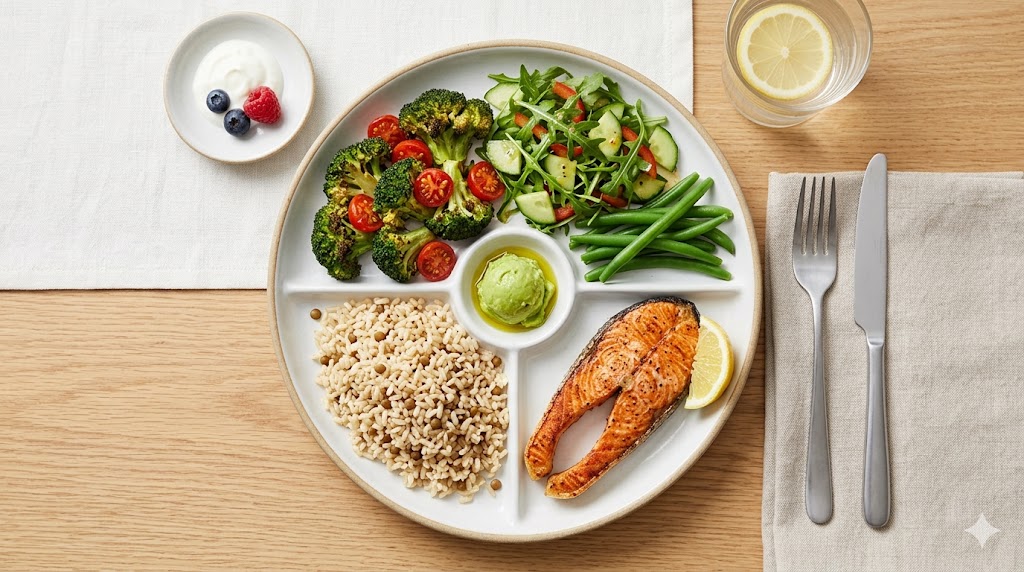


A balanced diet is more than just a fleeting wellness trend; it is a meticulously structured approach to eating that ensures your body receives a comprehensive spectrum of nourishment. Explicitly defined, a balanced diet is a sustainable eating pattern that incorporates the correct proportions of foods from all five core groups—vegetables, fruit, grains, protein, and dairy—to meet an individual’s unique physiological requirements. By prioritizing variety over restriction, this dietary foundation provides the essential nutrients—macronutrients (carbohydrates, protein, fat) and micronutrients (vitamins, minerals)—needed to function properly, maintain energy, and prevent disease.
As Accredited Practising Dietitians, we see firsthand how this synergy between macronutrients, which serve as the body’s primary fuel, and micronutrients, which act as vital catalysts for metabolic health, transforms lives. For Australians navigating busy lifestyles in Brisbane or the Gold Coast, achieving this balance means moving away from rigid, short-term dieting and toward a practical, evidence-based framework. This approach doesn’t just manage weight; it builds long-term physical health, mental clarity, and metabolic resilience at every stage of life.
What Is a Balanced Diet?
A balanced diet provides your body with the essential nutrients, vitamins, and minerals it needs to function correctly, maintain energy levels, and prevent chronic diseases.Most people know they “should” eat better. But what does that actually mean?
The phrase “balanced diet” gets thrown around constantly — by doctors, media, wellness influencers, and food packaging. Yet for many Australians, it remains frustratingly vague. What foods count? How much of each? Does it change depending on your age, health condition, or goals?
At Apple A Day Dietetics, our Accredited Practising Dietitians work with people every day across Brisbane, the Gold Coast, and Logan who are asking these exact questions. Whether you’re managing type 2 diabetes, supporting a child’s growth, navigating an NDIS nutrition plan, or simply trying to feel better in your body — understanding what a balanced diet looks like is the first step.
This guide covers everything you need to know: the five food groups, macronutrients and micronutrients, sample meal plans, common mistakes, and how balanced eating applies to your specific situation.
Why Is a Balanced Diet Important?
A balanced diet is one of the most powerful tools you have for protecting your long-term health. The evidence is consistent and compelling: what you eat on a daily basis directly influences your risk of developing chronic disease, your energy levels, your mental health, and your quality of life.
Here’s what the research shows:
It reduces chronic disease risk. The Australian Institute of Health and Welfare links poor diet to a significant proportion of Australia’s burden of disease — including type 2 diabetes, cardiovascular disease, and certain cancers. A nutrient-dense, varied diet reduces these risks substantially.
It supports a healthy weight. Balanced eating — not crash dieting — is the most sustainable approach to reaching and maintaining a healthy body weight. It does this by regulating appetite hormones, supporting muscle mass, and preventing the blood sugar swings that drive overeating.
It improves mental health and cognition. The emerging field of nutritional psychiatry has established clear links between diet quality and mood, anxiety, depression, and cognitive function. Nutrients like omega-3 fatty acids, magnesium, B vitamins, and zinc are essential for brain health.
It protects gut health. A fibre-rich, diverse diet feeds beneficial gut bacteria — your microbiome — which regulates inflammation, immune function, and even mood through the gut-brain axis.
It preserves bone and muscle health. Adequate calcium, vitamin D, and protein protect bone density and muscle mass as you age. For older Queenslanders, this directly reduces falls risk and maintains independence.
It boosts energy and productivity. The right balance of carbohydrates, protein, and fats provides steady, sustained energy — without the mid-afternoon crash that comes from ultra-processed, high-sugar diets.
Simply put: the advantages of eating a balanced diet touch virtually every system in your body. It’s not a trend. It’s the foundation of lifelong health.
What Are the Components of a Balanced Diet?
A truly balanced diet has three core components: food groups, macronutrients, and micronutrients. Understanding each one helps you make informed choices rather than following rigid rules.
The 5 Food Groups
Australia’s dietary framework — the Australian Dietary Guidelines, developed by the National Health and Medical Research Council (NHMRC) — organises foods into five core groups based on their nutritional profile. Eating a variety of foods from each group every day is the cornerstone of balanced nutrition.
1. Vegetables and Legumes/Beans The most important food group and the one Australians consistently under-eat. Vegetables deliver dietary fibre, antioxidants, folate, potassium, magnesium, and a wide range of phytonutrients that reduce inflammation and disease risk.
- Adults should aim for 5–6 serves per day
- One serve = ½ cup cooked vegetables, 1 cup raw leafy greens, or ½ cup cooked legumes
- Prioritise variety: dark leafy greens, cruciferous vegetables, orange and red varieties, and legumes
2. Fruit Fruit provides natural sugars alongside vitamin C, potassium, folate, and dietary fibre. Despite the misconception that fruit should be limited due to sugar content, whole fruit is unequivocally health-promoting at recommended amounts.
- Adults should aim for 2 serves per day
- One serve = 1 medium piece of fruit, 1 cup diced fruit, or 30g dried fruit
- Fresh, frozen, and tinned fruit in juice (not syrup) all count
3. Grain (Cereal) Foods — Mostly Wholegrain Grains are the body’s primary fuel source, providing carbohydrates, dietary fibre, B vitamins (thiamine, riboflavin, niacin, folate), and minerals including iron and zinc. Choosing wholegrain varieties significantly improves nutritional value.
- Adults should aim for 3–6 serves per day (varies with age, sex, and activity level)
- One serve = 1 slice of bread, ½ cup cooked rice or pasta, ⅔ cup breakfast cereal
- Wholegrain choices include oats, brown rice, quinoa, wholemeal bread, and barley
4. Lean Meats, Poultry, Fish, Eggs, Nuts, Seeds, and Legumes This group covers the primary sources of protein, iron, zinc, and omega-3 fatty acids. It’s also the most flexible — offering excellent plant-based options for those reducing meat intake.
- Adults should aim for 2–3 serves per day
- One serve = 65g cooked lean red meat, 80g cooked poultry, 100g cooked fish, 2 large eggs, 30g nuts or seeds, or 170g tofu
- Aim for oily fish (salmon, sardines, mackerel) 2–3 times per week for omega-3 benefits
5. Dairy and Dairy Alternatives Dairy foods are Australia’s most concentrated dietary source of calcium — critical for bone health, nerve function, and muscle contraction. If you avoid dairy, fortified plant-based milks and yoghurts are the recommended alternative.
- Adults should aim for 2.5 serves per day (more for children, teens, and older adults)
- One serve = 250ml milk, 200g yoghurt, or 40g hard cheese
- Choose reduced-fat varieties where appropriate for cardiovascular health
Key Macronutrients
Macronutrients are the three major nutrients that provide energy (kilojoules/calories) to the body. A balanced diet includes all three in appropriate proportions.
| Macronutrient | Primary Role | Key Food Sources | % of Daily Energy |
|---|---|---|---|
| Carbohydrates | Primary fuel source; brain and muscle function | Wholegrains, fruit, vegetables, legumes | 45–65% |
| Protein | Tissue repair, immune function, enzyme and hormone production | Meat, fish, eggs, dairy, legumes, tofu, nuts | 15–25% |
| Fat | Hormone production, fat-soluble vitamin absorption, cell membrane integrity | Avocado, olive oil, nuts, seeds, oily fish | 20–35% |
The type of macronutrient matters as much as the quantity. Complex carbohydrates over refined ones. Unsaturated fats over saturated and trans fats. High-quality protein sources over processed meats.
Key Micronutrients
Micronutrients — vitamins and minerals — are needed in smaller amounts but are no less essential. Deficiencies are more common than many people realise, particularly in specific population groups.
| Micronutrient | Why It Matters | Best Food Sources | At-Risk Groups |
|---|---|---|---|
| Iron | Oxygen transport, energy, immune function | Red meat, legumes, fortified cereals, spinach | Women of reproductive age, vegetarians |
| Calcium | Bone and teeth health, nerve and muscle function | Dairy, fortified plant milks, sardines, tofu | Teens, older adults, those avoiding dairy |
| Vitamin D | Calcium absorption, immune function, mood | Sunlight, oily fish, eggs, fortified foods | Older adults, people with low sun exposure |
| Folate | DNA synthesis, cell division — critical in pregnancy | Dark leafy greens, legumes, fortified breads | Women planning pregnancy or pregnant |
| Iodine | Thyroid hormone production, brain development | Seafood, iodised salt, dairy | Pregnant and breastfeeding women |
| Omega-3 fatty acids | Brain health, inflammation reduction, heart health | Oily fish, flaxseeds, chia seeds, walnuts | Those with low fish intake |
| Magnesium | Muscle and nerve function, blood glucose regulation | Nuts, seeds, wholegrains, dark chocolate | People with type 2 diabetes, older adults |
| Zinc | Immune function, wound healing, taste and smell | Meat, shellfish, legumes, seeds | Vegetarians, vegans, older adults |
If you suspect you have a nutrient deficiency, an Accredited Practising Dietitian can assess your diet and work with your GP to arrange blood tests and a personalised nutrition plan.
What Should I Eat for a Balanced Diet?
Foods to Include
A balanced, nutritious diet is built primarily around whole and minimally processed foods. These are the foods to prioritise every day:
Vegetables (every meal, every day)
- Leafy greens: spinach, kale, silverbeet, rocket
- Cruciferous vegetables: broccoli, cauliflower, Brussels sprouts, cabbage
- Root vegetables: sweet potato, carrot, beetroot, parsnip
- Alliums: garlic, onion, leek
- Legumes: lentils, chickpeas, black beans, kidney beans
Fruit (2 serves daily)
- Berries (blueberries, strawberries, raspberries) — high in antioxidants
- Citrus (oranges, mandarins, grapefruit) — rich in vitamin C
- Stone fruits (peaches, plums, nectarines) — seasonal and nutrient-dense
- Tropical fruits (mango, papaya, kiwi) — widely available in Queensland
Wholegrains
- Oats and porridge
- Brown rice and wild rice
- Wholemeal and wholegrain bread
- Quinoa
- Barley
- Wholemeal pasta
Quality Proteins
- Lean red meat (beef, lamb) — 1–3 times per week
- Poultry (chicken, turkey) — skinless
- Fish and seafood — particularly oily fish 2–3 times per week
- Eggs — a highly nutritious, affordable protein
- Legumes and lentils — excellent plant-based protein and fibre source
- Tofu, tempeh, edamame — versatile plant proteins
- Nuts and seeds (almonds, walnuts, chia seeds, pumpkin seeds)
Dairy and Alternatives
- Milk (cow’s, or fortified soy/almond/oat milk)
- Greek yoghurt and natural yoghurt
- Hard cheeses (cheddar, parmesan) in moderate amounts
- Cottage cheese and ricotta
Healthy Fats
- Extra virgin olive oil
- Avocado
- Nuts and nut butters (unsweetened)
- Seeds (flaxseed, hemp, chia)
Hydration
- Water — the primary beverage of choice
- Herbal teas
- Unflavoured sparkling water
- Black coffee and plain tea in moderate amounts
Foods to Limit or Avoid
No food is inherently “bad” in the context of an otherwise balanced diet. However, certain foods — when consumed regularly and in large amounts — undermine health. The Australian Dietary Guidelines refer to these as discretionary foods.
Ultra-processed foods — packaged snacks, instant noodles, processed meats (sausages, salami, hot dogs), fast food Sugary drinks — soft drinks, energy drinks, flavoured milks, fruit juices with added sugar Added sugar foods — biscuits, cakes, pastries, confectionery, flavoured yoghurts Refined grain products — white bread, white rice, sugary breakfast cereals High-sodium foods — commercial sauces, dressings, packet soups, salty snacks Saturated and trans fats — butter in excess, full-fat processed dairy, deep-fried foods, palm and coconut oil in large quantities Alcohol — has no nutritional benefit and contributes to liver disease, cancer risk, and weight gain
The key principle is proportion, not perfection. A slice of birthday cake at a celebration won’t undermine your health. A daily diet built around discretionary foods will.
How Much Should I Eat for a Balanced Diet?
The right amount of food depends on your age, sex, body size, activity level, and health status. The Australian Dietary Guidelines provide serve recommendations by demographic. Here is a practical reference table:
Recommended Daily Serves by Age and Sex
Use the breakdown below as a daily reference guide. Each food group is listed separately so you can quickly find the recommendations most relevant to you.
Vegetables and Legumes (serves per day)
- Children 2–3 years: 2.5 serves
- Children 4–8 years: 4.5 serves
- Girls 9–11 years: 5 serves
- Boys 9–11 years: 5 serves
- Women 19–50 years: 5 serves
- Men 19–50 years: 6 serves
- Women 51–70 years: 5 serves
- Men 51–70 years: 5.5 serves
Fruit (serves per day)
- Children 2–3 years: 1 serve
- Children 4–8 years: 1.5 serves
- Girls 9–11 years: 2 serves
- Boys 9–11 years: 2 serves
- Women 19–50 years: 2 serves
- Men 19–50 years: 2 serves
- Women 51–70 years: 2 serves
- Men 51–70 years: 2 serves
Grain Foods — Mostly Wholegrain (serves per day)
- Children 2–3 years: 4 serves
- Children 4–8 years: 4 serves
- Girls 9–11 years: 4 serves
- Boys 9–11 years: 5 serves
- Women 19–50 years: 6 serves
- Men 19–50 years: 6 serves
- Women 51–70 years: 4 serves
- Men 51–70 years: 6 serves
Protein Foods — Meat, Fish, Eggs, Legumes, Nuts (serves per day)
- Children 2–3 years: 1 serve
- Children 4–8 years: 1.5 serves
- Girls 9–11 years: 2.5 serves
- Boys 9–11 years: 2.5 serves
- Women 19–50 years: 2.5 serves
- Men 19–50 years: 3 serves
- Women 51–70 years: 2 serves
- Men 51–70 years: 2.5 serves
Dairy and Dairy Alternatives (serves per day)
- Children 2–3 years: 1.5 serves
- Children 4–8 years: 1.5–2 serves
- Girls 9–11 years: 2.5 serves
- Boys 9–11 years: 2.5 serves
- Women 19–50 years: 2.5 serves
- Men 19–50 years: 2.5 serves
- Women 51–70 years: 4 serves
- Men 51–70 years: 3.5 serves
These figures are population-level guides. If you have a specific health condition — such as type 2 diabetes, chronic kidney disease, or a digestive disorder — your ideal intake may differ significantly. This is where working with an Accredited Practising Dietitian becomes essential.
Who Needs a Balanced Diet?
Everyone benefits from balanced nutrition — but what “balanced” looks like differs by life stage, health condition, and personal circumstances. Here’s how dietary needs shift across key population groups.
What Is a Balanced Diet for Weight Loss?
A balanced diet for weight loss is not a starvation diet. It is not a meal replacement plan. And it is not about cutting out entire food groups.
Sustainable fat loss occurs when you create a modest energy deficit — consistently consuming slightly fewer kilojoules than your body burns — while still meeting all your nutritional requirements.
The most evidence-based approach to a balanced diet for fat loss includes:
Prioritise protein at every meal. Protein is the most satiating macronutrient. It reduces appetite, preserves lean muscle mass during a calorie deficit, and has a higher thermic effect than carbohydrates or fat — meaning your body burns more energy digesting it. Aim for 1.2–1.6g of protein per kilogram of body weight per day.
Build meals around non-starchy vegetables. Vegetables are high in volume, fibre, and water — making them filling — but low in kilojoules. Filling half your plate with vegetables at each meal is one of the most effective and sustainable weight management strategies.
Choose low-GI carbohydrates. Low glycaemic index (GI) carbohydrates — such as oats, legumes, wholegrain bread, and basmati rice — digest slowly, providing sustained energy and preventing the blood sugar spikes that drive hunger and cravings.
Don’t eliminate fat — choose the right types. Healthy fats from avocado, nuts, olive oil, and oily fish are essential for hormone regulation, nutrient absorption, and satiety. Removing fat from your diet increases hunger and often leads to overconsumption of refined carbohydrates.
Limit ultra-processed foods and liquid kilojoules. Soft drinks, juices, alcohol, and flavoured coffees are among the highest-kilojoule, lowest-nutrition foods available. Cutting these alone can produce a meaningful calorie reduction without restricting food enjoyment.
Eat mindfully and regularly. Skipping meals leads to excessive hunger and poor food choices later in the day. Eating three structured meals — with optional snacks if needed — keeps energy stable and reduces impulsive eating.
If you’ve struggled with weight management in the past, working with a dietitian who specialises in weight management on the Gold Coast or Brisbane can make a significant difference. Our approach at Apple A Day Dietetics focuses on sustainable behaviour change — not short-term restriction.
What Is a Balanced Diet for Kids?
Children’s nutritional needs are proportionally high relative to their body size. They’re building bones, developing brains, growing muscle, and fuelling enormous amounts of physical and cognitive activity. Getting childhood nutrition right has lifelong consequences.
A balanced diet for children should:
Include all five food groups daily. Children who regularly skip food groups — particularly vegetables and protein — are at risk of micronutrient deficiencies that can affect growth, immunity, concentration, and behaviour.
Prioritise iron-rich foods. Iron deficiency is the most common nutritional deficiency in Australian children and is strongly linked to impaired cognitive development and poor school performance. Lean red meat, legumes, fortified cereals, and dark leafy greens are key sources.
Support brain development with omega-3s. DHA (a type of omega-3 fatty acid) is essential for brain development and cognitive function. Include oily fish, eggs, and omega-3-enriched products regularly.
Limit discretionary foods without making them forbidden. Over-restricting treats can create disordered eating patterns later in life. Instead, model balanced eating, offer a variety of nutritious foods, and allow occasional treats within a generally healthy eating pattern.
Avoid pressuring children to eat or clean their plate. Division of responsibility — where parents decide what is offered, and children decide whether and how much to eat — is the evidence-based approach to feeding children and preventing picky eating from escalating.
Practical sample balanced day for a school-aged child (5–12 years):
- Breakfast: Weet-Bix with milk, banana
- Morning tea: Apple, small handful of crackers with cheese
- Lunch: Wholegrain sandwich with chicken, lettuce, and tomato; small fruit
- Afternoon snack: Yoghurt with berries
- Dinner: Spaghetti bolognese with lean mince and hidden vegetables, side salad
- Drinks: Water and milk throughout the day
If your child has significant fussy eating, growth concerns, or a diagnosed condition affecting eating, a paediatric dietitian can provide structured, evidence-based support.
What Is a Balanced Diet for Pregnant Women?
Pregnancy significantly increases the demand for several key nutrients. A balanced diet during pregnancy supports foetal development, reduces the risk of pregnancy complications, and prepares the body for labour and breastfeeding.
Key nutritional priorities during pregnancy:
Folate (folic acid): Critical for neural tube development in the first trimester. All women planning pregnancy should supplement with 400–500mcg of folic acid daily before conception and during the first 12 weeks. Food sources include dark leafy greens, legumes, and fortified breads.
Iodine: Essential for foetal brain and thyroid development. Supplementation with 150mcg iodine daily is recommended for all pregnant and breastfeeding women in Australia. Food sources include seafood, dairy, and iodised salt.
Iron: Pregnancy increases iron requirements significantly. Iron supports foetal growth, placenta development, and the increased maternal blood volume. Lean red meat, legumes, and iron-fortified cereals are key sources. Pair with vitamin C to enhance absorption.
Calcium: Supports foetal bone and teeth development. If dietary intake is insufficient, the foetus will draw calcium from the mother’s bones. Aim for 3 serves of dairy or fortified alternatives daily.
Omega-3 fatty acids (DHA): Supports foetal brain and eye development. Oily fish (low-mercury varieties) 2–3 times per week and/or a fish oil supplement is recommended.
Energy intake: Contrary to the “eating for two” myth, additional energy requirements during pregnancy are modest — approximately 1,400kJ extra per day in the third trimester. Focus on nutrient density over quantity.
Foods to avoid during pregnancy:
- Raw or undercooked meat, eggs, and seafood (listeria and salmonella risk)
- High-mercury fish (shark/flake, swordfish, marlin, orange roughy)
- Unpasteurised dairy and soft cheeses
- Deli meats and pâté (unless thoroughly heated)
- Alcohol — there is no safe level during pregnancy
Pregnant women in Brisbane, the Gold Coast, or Logan can access specialist prenatal nutrition support through Apple A Day Dietetics. A NDIS dietitian can review your current diet, address nausea and food aversions, and ensure both you and your baby are getting the nutrients you need at every stage.
What Is a Balanced Diet for Diabetics?
Nutrition is the cornerstone of diabetes management. For people living with type 1 diabetes, type 2 diabetes, or gestational diabetes, dietary choices directly impact blood glucose levels, insulin sensitivity, and long-term health outcomes.
A balanced diet for diabetics is not a “diabetic diet” in the restrictive, outdated sense. It does not mean giving up carbohydrates entirely or eating bland, joyless food. It means choosing the right types and amounts of carbohydrates, paired with protein and healthy fats, to keep blood glucose stable.
Core principles of diabetes nutrition:
Focus on carbohydrate quality, not elimination. All carbohydrates raise blood glucose — but the rate at which they do varies significantly. Low-GI carbohydrates (oats, legumes, basmati rice, wholegrain bread, most fruit) produce a slower, more manageable glucose response than high-GI foods (white bread, sugary drinks, jasmine rice, chips).
Distribute carbohydrates evenly across the day. Rather than having a large carbohydrate load at one meal, spreading intake across three balanced meals (and snacks where needed) helps prevent glucose spikes and dips.
Prioritise protein and non-starchy vegetables at each meal. These have minimal impact on blood glucose while increasing satiety and nutritional density. Building meals around these two components first — and adding a moderate serve of low-GI carbohydrate — is a practical and effective approach.
Limit added sugars and sugary drinks. Soft drinks, fruit juice, flavoured milks, and lollies cause rapid blood glucose spikes and provide minimal nutritional benefit.
Manage portion sizes. Even healthy foods affect blood glucose when consumed in large amounts. A dietitian can help you understand appropriate portions for your specific medication regimen, activity level, and glucose targets.
Monitor for cardiovascular risk. People with type 2 diabetes have a significantly elevated risk of cardiovascular disease. A heart-healthy dietary pattern — limiting saturated fat, increasing fibre and omega-3s, and reducing sodium — should run alongside blood glucose management.
Sample balanced meal for diabetes management:
- Half the plate: non-starchy vegetables (broccoli, capsicum, zucchini, salad)
- One quarter of the plate: lean protein (grilled fish, chicken, tofu, legumes)
- One quarter of the plate: low-GI carbohydrate (basmati rice, sweet potato, lentils)
- Plus: 1 tsp extra virgin olive oil or ¼ avocado
Our diabetes dietitians on the Gold Coast and Brisbane work collaboratively with GPs, endocrinologists, and diabetes educators to develop personalised meal plans that fit your medication, lifestyle, and blood glucose targets. Whether you’re newly diagnosed or have been managing diabetes for years, expert nutrition support can meaningfully improve your outcomes.
What Does a Balanced Diet Meal Plan Look Like?
Sample Balanced Diet Chart (Adults)
| Meal | Example | Food Groups Covered |
|---|---|---|
| Breakfast | Rolled oats with milk, sliced banana, and a tablespoon of almond butter | Grains, Dairy, Fruit, Protein |
| Morning Tea | Small handful of mixed nuts and a mandarin | Protein, Fruit |
| Lunch | Wholegrain wrap with grilled chicken, avocado, baby spinach, tomato, and hummus | Grains, Protein, Vegetables, Healthy fats |
| Afternoon Snack | Greek yoghurt with a handful of blueberries | Dairy, Fruit |
| Dinner | Baked salmon with roasted sweet potato, steamed broccolini, and a lemon-olive oil dressing | Protein, Vegetables, Grains, Healthy fats |
| Drinks | Water throughout the day; herbal tea in the evening | Hydration |
Sample Balanced Diet Chart (Children — School Age, 5–12 Years)
| Meal | Example | Food Groups Covered |
|---|---|---|
| Breakfast | Weet-Bix (2) with full-fat milk and sliced strawberries | Grains, Dairy, Fruit |
| Morning Tea (school) | Apple and a small tub of cheese and crackers | Fruit, Dairy, Grains |
| Lunch | Wholegrain sandwich with vegemite and cheese, plus carrot sticks and a small fruit | Grains, Dairy, Vegetables, Fruit |
| Afternoon Snack | Yoghurt with berries or a smoothie with milk, banana, and spinach | Dairy, Fruit, Vegetables |
| Dinner | Chicken stir-fry with lots of vegetables over brown rice | Protein, Vegetables, Grains |
| Drinks | Water as primary drink; milk with meals | Hydration, Dairy |
What Does a 7-Day Balanced Diet Meal Plan Look Like?
Here is a practical 7-day framework for Australian adults. This is designed as a guide — not a rigid prescription. Adjust portions and specific foods to your personal preferences, health needs, and what’s in season.
Day 1 — Monday
- Breakfast: Overnight oats with chia seeds, Greek yoghurt, and mixed berries
- Lunch: Lentil and vegetable soup with a slice of wholegrain toast
- Dinner: Grilled chicken thigh, roasted cauliflower and sweet potato, side salad
- Snacks: Apple with almond butter; small handful of trail mix
Day 2 — Tuesday
- Breakfast: 2-egg omelette with spinach, mushrooms, and feta on wholegrain toast
- Lunch: Brown rice, edamame, cucumber, carrot, avocado, and sesame dressing (deconstructed sushi bowl)
- Dinner: Baked salmon with asparagus and quinoa
- Snacks: Greek yoghurt; orange
Day 3 — Wednesday
- Breakfast: Wholegrain toast with avocado and a poached egg, plus a side of cherry tomatoes
- Lunch: Chickpea and vegetable curry over brown rice
- Dinner: Lean beef stir-fry with broccoli, capsicum, snap peas, and hokkien noodles
- Snacks: Banana with a small handful of walnuts; cottage cheese with crackers
Day 4 — Thursday
- Breakfast: Smoothie: milk, frozen spinach, banana, frozen berries, chia seeds, protein powder
- Lunch: Tuna, mixed leaf salad, cucumber, olive, cherry tomato, hard-boiled egg, wholegrain crackers
- Dinner: Lamb kofta with tzatziki, tabouleh, and wholemeal pita
- Snacks: Sliced apple with peanut butter; cheese and rice crackers
Day 5 — Friday
- Breakfast: Bircher muesli with grated apple, yoghurt, and pumpkin seeds
- Lunch: Leftover lamb with a big green salad and hummus
- Dinner: Homemade fish tacos — grilled barramundi, corn tortillas, avocado, slaw, lime
- Snacks: Mixed berries with yoghurt; handful of almonds
Day 6 — Saturday
- Breakfast: Wholegrain pancakes with ricotta, sliced banana, and a drizzle of honey
- Lunch: Roasted vegetable and feta frittata with a green salad
- Dinner: Slow-cooked lentil and tomato dahl with brown rice and steamed broccolini
- Snacks: Watermelon; rice crackers with hummus and veggie sticks
Day 7 — Sunday
- Breakfast: Baked eggs in tomato and capsicum (shakshuka style) with wholegrain toast
- Lunch: Leftover dahl or homemade vegetable soup
- Dinner: Roast chicken with roasted root vegetables, green beans, and a small serve of gravy
- Snacks: Trail mix; Greek yoghurt with a handful of mango
Daily non-negotiables across all 7 days:
- At least 2 litres of water
- Vegetables at lunch and dinner (minimum)
- A protein source at every meal
- Limited ultra-processed food and added sugar
- Limited alcohol
For a personalised meal plan built around your health condition, food preferences, and lifestyle — connect with our team at Apple A Day Dietetics. We create practical plans that real people can actually follow.
How Does a Balanced Diet Compare to Other Diets?
Balanced Diet vs. Keto Diet
The ketogenic (keto) diet is a very low-carbohydrate, high-fat dietary pattern designed to push the body into a metabolic state called ketosis, where fat, rather than glucose, becomes the primary fuel source.
| Feature | Balanced Diet | Keto Diet |
|---|---|---|
| Carbohydrate intake | 45–65% of energy | <5–10% of energy (<20–50g/day) |
| Fat intake | 20–35% of energy | 60–75% of energy |
| Protein intake | 15–25% of energy | 15–30% of energy |
| Food variety | High — all food groups included | Low — most grains, legumes, fruit restricted |
| Sustainability | High — designed for long-term eating | Low-moderate — adherence drops significantly over time |
| Evidence base | Strong — aligned with Australian Dietary Guidelines | Moderate — effective short-term for weight and blood glucose; limited long-term data |
| Appropriate for | Most healthy adults and those with chronic conditions | Some people with epilepsy, type 2 diabetes (under medical supervision) |
| Nutrient risk | Low when varied | Moderate — thiamine, folate, fibre, and gut microbiome concerns |
The dietitian’s perspective: Keto can be effective for short-term weight loss and blood glucose management in some people — particularly those with type 2 diabetes — but it is not appropriate for everyone and should not be undertaken without professional supervision. The long-term effects of a very high-fat diet on cardiovascular health remain uncertain. A balanced diet, by contrast, is appropriate for virtually all life stages, is flexible enough to accommodate cultural preferences and food budgets, and has the strongest body of long-term evidence supporting overall health outcomes.
Balanced Diet vs. Mediterranean Diet
The Mediterranean diet is a well-researched eating pattern based on the traditional dietary habits of countries bordering the Mediterranean Sea. It aligns closely with the principles of a balanced diet but with some important emphases.
| Feature | Balanced Diet | Mediterranean Diet |
|---|---|---|
| Foundation | All five food groups in appropriate serves | Vegetables, wholegrains, legumes, fruit, olive oil |
| Protein focus | Lean meats, poultry, fish, eggs, legumes | Fish and seafood, legumes; limited red meat |
| Fat type | All healthy fats in moderation | Strong emphasis on extra virgin olive oil |
| Dairy | 2.5 serves/day recommended | Moderate — mainly cheese and yoghurt |
| Red meat | Up to a few serves per week | Limited — a few times per month |
| Alcohol | Minimal recommended | Red wine in moderation (with meals) is traditional |
| Evidence for disease prevention | Strong | Very strong — particularly for cardiovascular disease, cognitive decline, depression |
The dietitian’s perspective: The Mediterranean diet is arguably the most evidence-based dietary pattern for long-term cardiovascular health and cognitive protection. It essentially represents a well-implemented balanced diet with a particular emphasis on extra virgin olive oil, fish, and legumes. For most Australians, adopting Mediterranean-style eating within the framework of the Australian Dietary Guidelines is an excellent approach — particularly for those with cardiovascular risk factors or a family history of heart disease.
What Are the Most Common Balanced Diet Mistakes?
Even well-intentioned eaters regularly fall into these traps. Recognising them is the first step to correcting them.
1. Not eating enough vegetables. The vast majority of Australians don’t meet the recommended 5–6 serves of vegetables per day. This is the single most impactful dietary gap in the Australian diet. Vegetables are the highest-nutrient, lowest-kilojoule foods available — under-eating them is a missed opportunity for health.
2. Over-restricting carbohydrates. Low-carb messaging has created widespread fear of wholegrains, legumes, and even fruit. These foods are among the most protective in the diet. The issue is refined and processed carbohydrates — not complex, whole-food carbohydrates.
3. Eating too much protein and not enough fibre. High-protein diets are popular for weight loss — and protein is important — but over-prioritising protein (particularly from animal sources) at the expense of vegetables, legumes, and wholegrains reduces fibre intake dramatically. Most Australians already eat too little fibre. Low fibre intake is directly linked to poor gut health, constipation, elevated cholesterol, and increased bowel cancer risk.
4. Drinking kilojoules without noticing. Soft drinks, juices, flavoured coffees, sports drinks, and alcohol contribute significant kilojoules with little to no nutritional benefit. These “liquid calories” are easy to overconsume because they don’t trigger the same satiety signals as solid food.
5. Treating weekends as a dietary write-off. “Eating well Monday to Friday and blowing out on weekends” is a common pattern — and it significantly undermines the nutritional balance of the overall diet. Five healthy days and two indulgent ones is not a 70% healthy diet; the impact of weekend excess is disproportionate, particularly on blood glucose, inflammation, and calorie intake.
6. Relying on supplements instead of food. Supplements can play a useful role in specific circumstances — folate in pregnancy, vitamin D for those with limited sun exposure, iron for those who are deficient. But they are not a substitute for a varied, whole-food diet. The synergistic effect of nutrients within real food cannot be replicated in a capsule.
7. Following generic online meal plans without personalisation. A meal plan from a website is not tailored to your health conditions, medications, food intolerances, cultural background, cooking ability, budget, or lifestyle. Generic plans often fail because they don’t fit real life. A personalised plan from an Accredited Practising Dietitian is designed specifically for you.
8. Eating too quickly and not noticing hunger and fullness cues. Satiety signals take approximately 15–20 minutes to reach the brain. Eating too fast consistently leads to overconsumption. Slowing down, putting down utensils between bites, and eating without screens are simple but genuinely effective strategies.
What Are the Best Tips to Maintain a Balanced Diet?
Knowing what to eat is rarely the problem. Eating that way consistently — despite a busy schedule, limited budget, conflicting dietary advice, and the reality of modern food environments — is where most people struggle.
These evidence-based strategies make balanced eating more sustainable over the long term:
Plan your meals weekly — even roughly. You don’t need a rigid plan. Even a loose idea of what you’ll eat for dinners and lunches reduces the frequency of unplanned takeaway and impulsive food choices. A Sunday evening spent planning 20 minutes pays dividends across the week.
Batch cook protein and wholegrains once or twice a week. Having cooked chicken, hard-boiled eggs, lentils, or brown rice ready in the fridge makes assembling a balanced meal a matter of minutes. This strategy is particularly practical for working parents and busy professionals in Brisbane and the Gold Coast.
Make vegetables the starting point, not an afterthought. Decide on your vegetable component first — then build the rest of the meal around it. This simple mental shift dramatically increases vegetable intake.
Keep nutritious food visible and accessible. Cut vegetables and store them at eye level in the fridge. Put fruit in a bowl on the counter. Store nuts in a visible spot. We eat what we see. Make healthy choices the easy choices.
Learn five to ten quick, reliable meals you can make without thinking. Dietary adherence is highest when meals are familiar and low-effort. Having a repertoire of balanced meals you can prepare in 20–30 minutes removes the decision fatigue that leads to poor choices.
Eat together where possible. Research consistently shows that people who eat with family or others eat more vegetables, consume less ultra-processed food, and have better overall diet quality. Family mealtimes also model healthy eating for children.
Practise the 80/20 principle — not perfectionism. Aim for balanced eating approximately 80% of the time. Allow 20% for flexibility, celebrations, travel, and enjoyment. Perfectionism is the enemy of sustainability. Guilt around food choices is unhelpful and counterproductive.
Address emotional eating patterns. Many people eat in response to stress, boredom, loneliness, or anxiety rather than physical hunger. Recognising this pattern — and developing alternative coping strategies — is often a key step in improving long-term dietary habits. A dietitian can help you navigate this without shame or judgment.
Get professional support when you need it. You don’t need to figure this out alone. Whether you’re in Brisbane, on the Gold Coast, or in Logan — an Accredited Practising Dietitian can help you build a balanced eating pattern that fits your life, your health needs, and your budget. Medicare rebates, private health insurance, and NDIS funding can all reduce or eliminate the out-of-pocket cost.
Frequently Asked Questions (FAQ)
What is the simple meaning of a balanced diet?
A balanced diet is an eating pattern that includes the right amounts of food from all five food groups — vegetables, fruit, grains, protein foods, and dairy — to give your body the energy, vitamins, minerals, and nutrients it needs to function well and prevent disease.
What are the five food groups in Australia?
The five food groups in Australia are: (1) vegetables and legumes, (2) fruit, (3) grain (cereal) foods — mostly wholegrain, (4) lean meats, poultry, fish, eggs, nuts, seeds, and legumes, and (5) dairy and dairy alternatives. These are defined by the Australian Dietary Guidelines published by the NHMRC.
What does a balanced diet look like on a plate?
A practical guide is the Healthy Plate model: fill half the plate with non-starchy vegetables, one quarter with a lean protein source, and one quarter with a wholegrain carbohydrate. Add a small amount of healthy fat (olive oil, avocado, or nuts) and a serve of dairy on the side.
What are the main benefits of eating a balanced diet?
The key benefits of a balanced diet include reduced risk of type 2 diabetes, cardiovascular disease, and some cancers; healthy weight maintenance; improved mood and mental health; better gut health; sustained energy levels; stronger bones and muscles; and improved immune function.
Why are balanced meals important?
Balanced meals ensure your body receives a steady supply of macronutrients and micronutrients throughout the day. They stabilise blood glucose, manage hunger, prevent energy crashes, and support optimal physical and cognitive performance.
Is a balanced diet good for fat loss?
Yes. A balanced diet that creates a modest calorie deficit — through increased vegetables, adequate protein, and reduced ultra-processed foods — is the most sustainable and evidence-based approach to fat loss. It preserves muscle mass and prevents the nutrient deficiencies associated with extreme diets.
How can I eat healthy on a budget in Australia?
Focus on affordable, nutritious staples: canned and dried legumes, oats, eggs, frozen vegetables, tinned fish (salmon, tuna, sardines), seasonal fruit and vegetables, and brown rice. These foods are nutrient-dense and inexpensive. A dietitian can help you build a balanced diet tailored to your budget.
Can I see a dietitian on the Gold Coast for NDIS nutrition support?
Yes. Apple A Day Dietetics provides NDIS-funded dietitian services across the Gold Coast, Brisbane, and Logan. We support plan-managed, self-managed, and NDIA-managed participants with a wide range of nutritional needs, including dysphagia, weight management, chronic disease, and paediatric feeding difficulties.
How is a dietitian different from a nutritionist in Australia?
An Accredited Practising Dietitian (APD) holds a government-accredited university qualification in nutrition and dietetics and is registered with Dietitians Australia. They are qualified to provide medical nutrition therapy for clinical conditions. The title “nutritionist” is not regulated in Australia — qualifications can range from a university degree to an online certificate. For clinical or complex health needs, always see an APD.
How do I access a Medicare rebate for a dietitian?
Speak to your GP. If you have a chronic condition (such as diabetes, heart disease, or obesity), your GP can create a Chronic Disease Management (CDM) plan that provides Medicare rebates for up to 5 allied health visits per year, including dietitian consultations. Ask specifically for a referral to an Accredited Practising Dietitian.
Conclusion: Build a Balanced Diet That Actually Works for You
A balanced diet is not a rigid rulebook. It’s a flexible, evidence-based framework that gives your body what it needs to function, feel well, and reduce your risk of disease — for the long term.
The fundamentals are straightforward: eat plenty of vegetables and fruit, choose wholegrains over refined carbohydrates, include quality protein at every meal, prioritise healthy fats, stay hydrated, and limit ultra-processed foods. But applying those fundamentals to your specific health conditions, lifestyle, budget, and cultural background? That’s where the real expertise comes in.
At Apple A Day Dietetics, our Accredited Practising Dietitians are here to help you do exactly that. We work with individuals and families across Brisbane, the Gold Coast, and Logan — including NDIS participants, people managing diabetes and other chronic conditions, pregnant women, children with feeding difficulties, and anyone who simply wants to feel better through evidence-based nutrition.
We accept Medicare referrals (Chronic Disease Management plans), private health insurance, NDIS funding, and self-pay bookings. Telehealth is available for anyone across Queensland.
📅 Ready to Get Started?
Book a consultation with an Accredited Practising Dietitian today. Whether you’re on the Gold Coast, in Brisbane, or in Logan — expert, personalised nutrition support is available for you.
Lisa Adams