



Supermarkets are slightly scary places at the moment as Australia prepares for the unknown. Will we be quarantined? Will we be stuck at home? Do we want to brave the supermarket as this pandemic escalates? Temporary product shortages abound as we panic-buy life’s essentials, and although there’s no need to hoard, it makes sense to try to minimise trips to the supermarket and stock up a little. So we may have to be a bit adaptable and flexible with our food choices.
At the same time, we need to keep our bodies and immune systems healthy, so healthy eating is more important than ever. As a dietitian on the Gold Coast, one of the most common questions I’m getting from clients right now — including those managing diabetes and those needing diabetic-friendly meal planning — is simply: “What should I be stocking up on?” Here’s the Apple-A-Day Dietetics guide to pantry staples to grab if you can:

1. Legumes
A lot of people are onto this already, but legumes are a versatile vegetable that provide protein, low-GI carbohydrates, plenty of fibre and are a good source of iron — making them a smart choice for anyone following a personalised nutrition plan or managing blood glucose levels. Tinned or dried are both good options, though dried will take longer to cook. These could be made into a curry (e.g. dahl), thrown through a pasta dish or salad, made into burgers, or used to extend meat dishes, among many other options.
2. Canned Fish
An excellent protein source and a good source of immune-boosting omega-3 fats. Buy bigger tins for better value. Can be mixed through pasta, made into rissoles, used as a sandwich filling, or just eaten straight!
3. Nuts and Nut Butters
Nuts and nut butters provide healthy fats and protein and store really well. Seeds like chia and linseeds are also excellent, versatile, and a great addition to a diabetic-friendly diet thanks to their low-GI profile.
4. Oats or Other High-Fibre Cereals
Oats are fantastic and can obviously be used to make porridge or muesli, but can also be added to smoothies, pancakes, or slices for some extra low-GI carbohydrate and fibre.
5. High-Fibre Crackers/Wraps
Crackers and wraps have a longer shelf-life than normal bread, so could be better options to stock up the pantry.
6. Vegetables
Some fresh vegetables are ridiculously expensive at the moment ($15/kg for capsicum!!), so we’ll be skipping the more expensive ones for a while. While frozen vegetables are hard to come by at the moment, supply issues should improve, and they can be a great way to stock up on vegetables. Other long-lasting fresh vegetable options include carrots, potatoes, and sweet potato — keep in the fridge if you have the space to keep them from going off for longer. Tinned vegetables like beetroot, asparagus, corn, and beans are also options, though can be a little higher in added salts. And dried and tinned legumes count as vegetables too!
7. Canned Fruit/Dried Fruit/Frozen Fruit
While fresh is best for vitamin C, you’ll still get antioxidants and sometimes fibre.
8. Long-Life Milk/Milk Alternative
The most shelf-stable dairy option. If you’re choosing a milk alternative, look for one with some calcium and protein. Soy is usually a pretty good substitute. You can even make yoghurt with it!
This can also be a great time to build a slightly more sustainable way of life. Plant a veggie garden, minimise waste, visit farmers markets and smaller retailers.
When planting: Salad vegetables are fairly quick to grow, so grab a few lettuce and rocket seeds, some tomato seedlings, and plant your spring onion bulbs — they’ll regrow. You can also grow tomatoes, cherry tomatoes, capsicum, and passionfruit from the seeds you get from grown vegetables/fruit — just plant them in a small pot or seedling tray until they’re big enough to plant out in the garden.
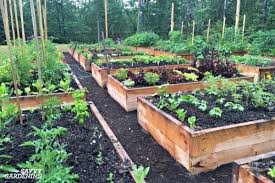
When planting: Salad vegetables are fairly quick to grow, so grab a few lettuce and rocket seeds, some tomato seedlings, and plant your spring onion bulbs — they’ll regrow. You can also grow tomatoes, cherry tomatoes, capsicum, and passionfruit from the seeds you get from grown vegetables/fruit — just plant them in a small pot or seedling tray until they’re big enough to plant out in the garden.
Frequently Asked Questions
Can a dietitian help me eat well during a pandemic or lockdown?
Yes. A dietitian or nutritionist can help you build a pantry-friendly meal plan that keeps you well-nourished even when fresh food access is limited, and can adjust recommendations for specific conditions like diabetes.
What should a diabetic stock in their pantry during shortages?
A diabetic nutritionist typically recommends low-GI staples such as legumes, oats, high-fibre crackers, and tinned fish — all pantry-stable options that help manage blood glucose without relying on fresh produce.
Is a dietitian covered under NDIS?
Yes. As an NDIS registered dietitian, we can provide dietetics support as part of an eligible NDIS plan, including home visits for clients who find it difficult to attend a clinic.
Do you offer bulk billing?Yes, We offer bulk billing dietitian appointments for eligible clients — get in touch to check your eligibility before booking.
Do you offer home visits? Yes. Our home visit dietetics and home care package dietetics services support clients across the Gold Coast, Logan, and Beenleigh who prefer or need consultations in their own home.
About the Author
This article was written by the team at Apple-A-Day Dietetics, a trusted provider of dietitian and nutritionist services across the Gold Coast, Logan, Beenleigh, and Brisbane. As NDIS registered dietitians, we specialise in diabetic nutrition, personalised nutrition plans, eating disorder support, and home visit dietetics — helping clients build sustainable, evidence-based eating habits for everyday life and long-term health.