



What Is the Gut-Brain Axis?
The gut-brain axis is the two-way communication network between your gastrointestinal tract and your central nervous system. It is not a metaphor. It is a real, physical, biochemical highway — made up of nerves, hormones, and immune signals — that allows your gut and your brain to talk to each other constantly.
At the centre of this network is the vagus nerve: the longest nerve in the body, running from the brainstem all the way down through the neck, chest, and abdomen. Approximately 80% of the information travelling along the vagus nerve flows from the gut to the brain — not the other way around. This means your gut is sending far more messages to your brain than your brain sends back.
Your gut also has its own independent nervous system, called the enteric nervous system, which contains more than 500 million neurons. This is why the gut is often called the “second brain.” It can sense, process, and respond to information without any input from the brain at all.
The gut-brain axis is not just a scientific curiosity. It is the reason why psychological stress causes physical gut symptoms — and why gut dysfunction causes psychological symptoms. The communication runs in both directions, and disruption at either end affects the other.

The pandemic has undoubtedly had an impact on our mental health. Not only have we been influenced by the major upheaval, but so have a large number of other people. There has been a lot of research done over the years on the chemistry of food and how it can affect your mental health. In fact, when it comes to the prevention and treatment of mental illnesses, diet is a non-negotiable factor.
Hippocrates, an ancient Greek physician, stated that all disease begins in the gut. Almost 3000 years later, scientists have discovered that the gut and the microbes that live in it are essential for cognitive function and brain health.
If you’re wondering what a healthy gut is, you should eat foods that produce microbes that have a positive effect on your mood and help manage stress eating. The following are some of the things that will help you find answers to all of your questions.
How Does the Gut Microbiome Affect Mental Health?
Your gut is home to trillions of microorganisms — bacteria, fungi, viruses, and other microbes — collectively known as the gut microbiome. The composition of your microbiome is as unique to you as your fingerprint, and it plays a central role in regulating your mental health.
Here is how:
Serotonin Production
Approximately 90% of the body’s serotonin is produced in the gut — not the brain. Serotonin is the neurotransmitter most associated with mood regulation, emotional wellbeing, and sleep. The gut bacteria you carry directly influence how much serotonin your body produces and how effectively it is used.
A diverse, healthy gut microbiome supports optimal serotonin production. A depleted or imbalanced microbiome — a state called dysbiosis — can reduce serotonin synthesis, contributing to low mood, irritability, and depressive symptoms.
Dopamine Regulation
Around 50% of the body’s dopamine is also synthesised in the gut. Dopamine drives motivation, reward, and focus. Gut bacteria influence dopamine pathways, which is why gut health is increasingly linked not just to depression but to conditions involving motivation and cognitive function.
GABA and Stress Regulation
GABA (gamma-aminobutyric acid) is the brain’s primary inhibitory neurotransmitter — it calms neural activity and reduces anxiety. Certain strains of gut bacteria, particularly Lactobacillus species, are involved in GABA production and regulation. Research suggests that a disrupted microbiome can impair GABA activity, contributing to heightened stress responses and anxiety.
Neuroinflammation
One of the most important mechanisms linking gut health to mental health is inflammation. When the gut microbiome is imbalanced, the intestinal lining can become more permeable — sometimes referred to as increased intestinal permeability or “leaky gut.” This allows bacterial toxins and inflammatory molecules to enter the bloodstream and cross the blood-brain barrier, triggering neuroinflammation.
Neuroinflammation is now recognised as a significant contributing factor to depression, anxiety, and cognitive decline. Research published in leading psychiatric journals has consistently found elevated inflammatory markers in people with major depressive disorder — and these markers are closely tied to gut microbiome health.
Short-Chain Fatty Acids and Brain Health
When gut bacteria ferment dietary fibre, they produce short-chain fatty acids (SCFAs) — particularly butyrate, acetate, and propionate. Butyrate is especially important: it nourishes the cells lining the gut wall, strengthens the intestinal barrier, reduces inflammation, and supports healthy brain function. Low butyrate production — which occurs when fibre intake is insufficient — is associated with increased gut permeability, systemic inflammation, and worsening mental health outcomes.
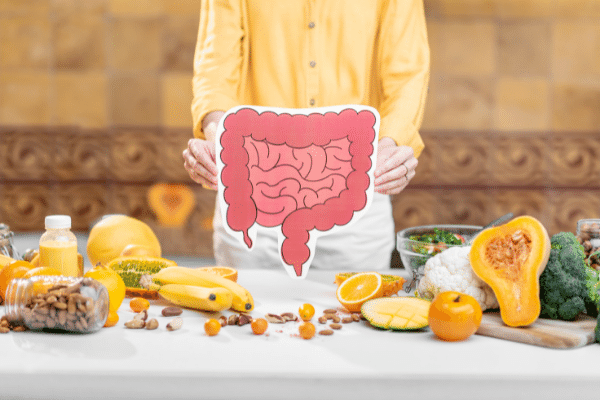
There are both good and bad bacteria in your gut. In fact, there are a number of fungi and viruses in there as well. All of these are referred to as the gut microbiota. Several factors, including environmental and genetic factors, may influence the composition of microbes in your gut.
These factors are usually difficult to manage and cannot be changed. However, everything you eat has a direct relationship to the existence of various microbes in your body.
What Is Dysbiosis and Why Does It Matter?
Dysbiosis refers to an imbalance in the gut microbiome — a state in which harmful bacteria outnumber or outcompete the beneficial ones. Dysbiosis can develop gradually and is often triggered by:
- A diet high in ultra-processed foods and low in fibre
- Prolonged antibiotic use (which eliminates beneficial bacteria alongside harmful ones)
- Chronic psychological stress
- Poor sleep patterns
- Excessive alcohol consumption
- Sedentary behaviour
The consequences of dysbiosis extend far beyond digestive discomfort. Because the gut microbiome regulates so many neurological and immune functions, dysbiosis is associated with a wide range of conditions — including irritable bowel syndrome (IBS), inflammatory bowel disease (IBD), depression, anxiety, brain fog, chronic fatigue, and autoimmune conditions.
Correcting dysbiosis requires a sustained, evidence-based dietary approach — not a single probiotic supplement or a short-term “gut cleanse.” This is where working with an Accredited Practising Dietitian makes a meaningful clinical difference.
What Foods Support Gut Health and Improve Mood?
The good news is that the gut microbiome is remarkably responsive to dietary change. Research shows that significant shifts in microbiome composition can occur within as little as three to four days of changing your diet — although sustainable improvement requires consistent long-term habits.
These are the most evidence-supported dietary strategies for improving gut health and, through it, your mental wellbeing.
1. Eat More Dietary Fibre — Especially Prebiotic Fibre
Fibre is the most important nutrient for gut microbiome health. Most Australians consume only 15–20 grams of fibre per day — well below the NHMRC recommendation of 25–30 grams. This fibre deficit is one of the leading drivers of poor gut health in Australia.
Prebiotic fibre specifically feeds beneficial gut bacteria, stimulating their growth and activity. Prebiotic-rich foods include:
- Garlic and onion
- Leeks and asparagus
- Jerusalem artichokes
- Slightly underripe bananas
- Oats
- Legumes (lentils, chickpeas, kidney beans)
- Barley and rye
Increasing fibre intake gradually — by 3–5 grams per week — reduces the bloating and discomfort that can occur when fibre is introduced too quickly.
2. Include Probiotic-Rich Fermented Foods
Probiotics are live microorganisms that — when consumed in adequate amounts — confer a health benefit. Fermented foods naturally contain high levels of beneficial bacteria and are among the most effective ways to introduce diverse microorganisms into your gut.
Evidence-based probiotic food sources include:
- Yoghurt with live cultures (check the label)
- Kefir — a fermented milk drink with a higher probiotic count than yoghurt
- Miso — fermented soybean paste used in Japanese cuisine
- Sauerkraut — unpasteurised fermented cabbage
- Kimchi — fermented Korean vegetables
- Kombucha — fermented tea (choose low-sugar varieties)
- Tempeh — fermented soybeans; also an excellent plant-based protein source
Emerging research into psychobiotics — a subset of probiotics with documented effects on mental health outcomes — is particularly promising. Certain Lactobacillus and Bifidobacterium strains have shown measurable improvements in depression and anxiety scores in randomised controlled trials.
3. Eat Polyphenol-Rich Foods
Polyphenols are plant compounds with powerful antioxidant and anti-inflammatory properties. Although only 5–10% of polyphenols are absorbed in the small intestine, the remainder reaches the large intestine where gut bacteria metabolise them — feeding beneficial microbial communities and producing anti-inflammatory compounds.
High-polyphenol foods include:
- Dark berries (blueberries, raspberries, blackberries)
- Dark chocolate (70% cacao and above)
- Extra virgin olive oil
- Green tea and black tea
- Colourful vegetables (red cabbage, beetroot, purple carrots)
- Spices (turmeric, cinnamon, cloves)
- Seasonal Queensland fruits (mango, papaya, lychee, dragonfruit)
4. Eat a Diverse Range of Plant Foods
Microbiome diversity — having a wide variety of different bacterial species — is one of the strongest markers of gut health. Research from the British Gut Project found that people who eat 30 or more different plant foods per week have significantly more diverse microbiomes than those eating 10 or fewer.
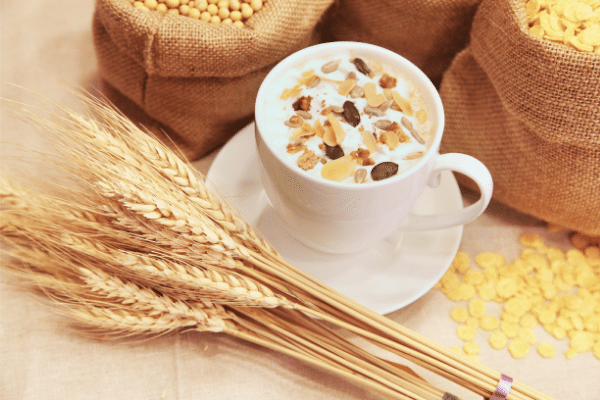
Plant foods include vegetables, fruit, wholegrains, legumes, nuts, seeds, herbs, and spices. A handful of mixed nuts, a pinch of cinnamon, and a tablespoon of chia seeds on morning oats already counts as four plant foods before breakfast.
5. Limit Ultra-Processed Foods and Added Sugar
Ultra-processed foods — including packaged snacks, fast food, processed meats, sugary drinks, and refined grain products — are consistently associated with reduced microbiome diversity, increased dysbiosis, and higher rates of depression and anxiety.
These foods are low in fibre and polyphenols, high in additives that disrupt the intestinal lining, and promote the growth of inflammatory bacterial strains.
6. Prioritise Omega-3 Fatty Acids
Omega-3 fatty acids — particularly EPA and DHA, found in oily fish — have well-established anti-inflammatory and neuroprotective properties. They support the integrity of the gut wall, reduce neuroinflammation, and have demonstrated antidepressant effects in multiple meta-analyses.
Aim for oily fish (salmon, sardines, mackerel, anchovies, trout) at least two to three times per week. For those who avoid fish, algae-based omega-3 supplements provide a plant-based alternative.
7. Stay Well Hydrated
Water is essential for healthy digestion and the production of mucus that lines and protects the gut wall. Dehydration slows gut transit time and reduces the environment in which beneficial bacteria thrive. Living in Queensland’s climate, aim for a minimum of 2 litres of water daily, more during physical activity or hot weather.
What the Research Shows: Gut Health and Mental Health Evidence
The relationship between diet, gut health, and mental health is no longer speculative. It is supported by a rapidly growing body of clinical evidence.
The SMILES Trial (2017) a randomised controlled trial conducted in Australia , found that a Mediterranean-style dietary intervention led to significantly greater reductions in depressive symptoms compared to social support alone. One in three participants in the dietary group achieved full remission from depression, compared to just 8% in the control group.
A 2020 meta-analysis published in Molecular Psychiatry analysed 41 randomised controlled trials and found that probiotic supplementation produced statistically significant improvements in both depression and anxiety symptoms.
Research from Deakin University’s Food & Mood Centre — one of the world’s leading institutions in nutritional psychiatry — has repeatedly demonstrated that dietary improvement is a clinically meaningful intervention for depression and anxiety, independent of other treatments.
The field of nutritional psychiatry is now a legitimate and evidence-based clinical discipline. Leading Australian dietitians and mental health professionals collaborate routinely on patient care for mood disorders, and the evidence base continues to grow rapidly.
Gut Health Conditions Our Dietitians Support
Our team at Apple A Day Dietetics provides evidence-based nutrition therapy for a wide range of gastrointestinal conditions across Brisbane, the Gold Coast, and Logan:
- Irritable Bowel Syndrome (IBS) — including Low FODMAP dietary therapy, the most evidence-based dietary intervention for IBS
- Inflammatory Bowel Disease (IBD) — including Crohn’s disease and ulcerative colitis
- Gastrointestinal reflux disease (GORD)
- Small intestinal bacterial overgrowth (SIBO)
- Coeliac disease and non-coeliac gluten sensitivity
- Constipation and irregular bowel habits
- Food intolerances — including lactose intolerance and fructose malabsorption
- NDIS gut health support — for participants with complex digestive or nutritional needs
When Should You See a Dietitian for Gut Health?
You should consider making an appointment with an Accredited Practising Dietitian if you experience any of the following:
- Persistent bloating, abdominal pain, cramping, or irregular bowel habits
- A diagnosis of IBS, IBD, coeliac disease, SIBO, or another gastrointestinal condition
- Mood symptoms — depression, anxiety, or irritability — you suspect may have a dietary or gut component
- Chronic fatigue or brain fog not explained by other causes
- Recent or prolonged antibiotic use and a desire to restore gut health
- Following a restrictive diet (such as Low FODMAP) without professional guidance
- Complex nutritional needs as an NDIS participant
- A desire for personalised, evidence-based nutrition support rather than generic online advice
How to Improve Your Gut Health: A Step-by-Step Guide
You do not need to overhaul your entire diet overnight. These steps, applied gradually, can meaningfully shift your gut microbiome over time.
Step 1: Add one prebiotic food daily. Start simple — garlic and onion in your dinner, a banana with breakfast, or chickpeas in a salad. Prebiotics feed the beneficial bacteria already in your gut.
Step 2: Introduce one fermented food daily. A small serve of yoghurt, a tablespoon of sauerkraut with dinner, or a glass of kefir. Consistency matters more than quantity.
Step 3: Target 20–30 different plant foods per week. Track which plant foods you eat in a week. Most people eat fewer than 12. Diversity is as simple as adding a new herb, swapping white rice for a brown rice and quinoa blend, or adding seeds to meals.
Step 4: Replace one ultra-processed food per day. Swap a packet snack for mixed nuts, a soft drink for sparkling water, or white bread for a wholegrain alternative. Small, sustainable changes compound over time.
Step 5: Eat oily fish twice a week. Grilled salmon, tinned sardines on wholegrain toast, or a tuna and chickpea salad , affordable, practical, and highly effective for both gut and brain health.
Step 6: Prioritise sleep and stress management. Chronic stress and sleep deprivation directly disrupt the gut microbiome. No dietary intervention fully overcomes severely disrupted sleep or unmanaged chronic stress.
Step 7: Work with an Accredited Practising Dietitian. These steps are a starting point. For personalised, clinically guided gut health support — particularly if you have a diagnosed condition — professional dietitian advice is irreplaceable.
Gut Health Dietitian Services: Brisbane, Gold Coast and Logan
At Apple A Day Dietetics, our Accredited Practising Dietitians provide specialist gut health nutrition support across South East Queensland. We offer:
- Comprehensive gut health dietary assessments
- Low FODMAP dietary therapy for IBS management
- Personalised microbiome nutrition plans
- Mental health nutrition support integrating nutritional psychiatry principles
- NDIS-funded dietitian services across Brisbane, Gold Coast, and Logan
- Telehealth consultations available across Queensland
We work collaboratively with your GP, gastroenterologist, psychologist, or psychiatrist — ensuring your nutrition care is integrated with your broader treatment plan.
We accept Medicare referrals (Chronic Disease Management plans — up to 5 rebated visits per year), private health insurance, NDIS funding (plan-managed, self-managed, and NDIA-managed), and self-pay bookings.
Whether you are in Southport, Robina, Broadbeach, or Coomera on the Gold Coast; South Brisbane, Carindale, West End, or Chermside in Brisbane; or Logan Central, Springwood, Beenleigh, or Browns Plains in the Logan region — expert gut health nutrition support is available to you.
FAQ: Gut Health and Mental Health
What is the gut-brain axis?
The gut-brain axis is the two-way communication network between the gastrointestinal tract and the central nervous system. It operates through the vagus nerve, enteric nervous system, gut hormones, immune signals, and bacterial metabolites. It allows the gut and brain to constantly influence each other — meaning gut health directly affects mood, cognition, and mental health.
How does gut health affect mood?
The gut microbiome produces approximately 90% of the body’s serotonin and around 50% of its dopamine both critical mood-regulating neurotransmitters. Gut bacteria also regulate inflammation. When the gut microbiome is imbalanced (dysbiosis), neurotransmitter production falls, inflammatory markers rise, and mental health symptoms including low mood, anxiety, and brain fog can worsen significantly.
What is dysbiosis?
Dysbiosis is an imbalance in the gut microbiome where harmful bacterial strains outnumber beneficial ones. It is associated with digestive symptoms, weakened immune function, systemic inflammation, and worsening mental health. It is primarily driven by poor diet, antibiotic use, chronic stress, and inadequate sleep.
What foods are best for gut health and mental health?
The strongest evidence supports high fibre plant foods (vegetables, legumes, wholegrains, fruit), prebiotic foods (garlic, onion, oats, asparagus, bananas), probiotic fermented foods (yoghurt, kefir, sauerkraut, kimchi), polyphenol-rich foods (berries, olive oil, dark chocolate, green tea), and omega-3-rich oily fish (salmon, sardines, mackerel).
Can improving my diet help with depression or anxiety?
Yes — the evidence is substantial. The SMILES Trial (2017) demonstrated that dietary intervention produced significantly greater reductions in depressive symptoms than social support alone, with one in three participants achieving full remission. Diet is not a replacement for mental health treatment but is a clinically meaningful addition to it.
What is a psychobiotic?
A psychobiotic is a probiotic strain — or a prebiotic that feeds such strains — with demonstrated effects on mental health outcomes. Several Lactobacillus and Bifidobacterium strains have shown evidence of reducing anxiety and depressive symptoms in clinical trials.
How long does it take to improve gut health through diet?
Measurable changes in gut microbiome composition can begin within three to four days of significant dietary change. Meaningful improvements in gut symptoms and mood typically appear over four to eight weeks of consistent dietary change. Long-term microbiome health requires sustained habits rather than short-term interventions.
Can I see a dietitian for gut health through NDIS?
Yes. NDIS participants can access dietitian services under Capacity Building – Improved Daily Living. Apple A Day Dietetics supports NDIS participants with gut health and complex nutritional needs across Brisbane, the Gold Coast, and Logan.
Does Medicare cover dietitian visits for gut health?
Yes, if your GP refers you under a Chronic Disease Management (CDM) plan, you may receive Medicare rebates for up to 5 allied health visits per year, including dietitian consultations. Speak to your GP about whether your condition qualifies.
How do I book a gut health dietitian on the Gold Coast or Brisbane?
Contact Apple A Day Dietetics directly at appleadaydietetics.com.au. We offer clinic appointments, telehealth consultations, and home visits across Brisbane, the Gold Coast, and Logan.
Conclusion: Your Gut Is the Gateway to Better Mental Health
The science is clear: your gut is not just a digestive organ. It is a sophisticated communication system that shapes your mood, your stress response, your cognitive function, and your risk of mental health conditions.
The relationship between what you eat and how you feel is biochemical, measurable, and clinically significant, and it is modifiable. With the right dietary changes, supported by the right professional guidance, you can meaningfully improve both your gut health and your mental wellbeing.
At Apple A Day Dietetics, our Accredited Practising Dietitians are here to help you do exactly that, with evidence-based, personalised nutrition support that fits your life, your health conditions, and your goals.
Ready to Support Your Gut and Your Mental Health?
Book a consultation with an Accredited Practising Dietitian today. We serve Brisbane, the Gold Coast, and Logan — with telehealth available across Queensland. Medicare referrals, NDIS funding, private health insurance, and self-pay bookings all welcomed.